Matching door hardware across interior and exterior doors is one of the simplest ways to create a harmonious look throughout your home, yet it is often something that homeowners overlook. Door handles, hinges, locks and accessories may seem like small details, but together they influence how rooms flow, how your entrance feels and how polished your overall home design becomes. Whether you are renovating a single room, upgrading your front door or planning a full home refurbishment, taking a considered approach to hardware selection helps you achieve a balanced and professional finish.
When door hardware is planned thoughtfully, it brings several advantages. Cohesive finishes help a property feel intentionally designed, make transitions between spaces smoother and elevate the look of both new and existing doors. The right combinations also improve practicality, as consistency often means simpler maintenance and easier replacement or upgrading in the future.
Ignoring these principles can create visual clashes and leave your home looking messy, fractured and disorganised. Mismatched metals, conflicting styles or cheap finishes that wear unevenly can detract from the overall appearance of any house or apartment. Poorly chosen exterior hardware can also limit kerb appeal.
In our latest blog, TBKS explains sets out how to choose door furniture that works together visually and functionally, including advice on finishes, lever styles and coordinating external accessories such as knockers, letter plates and door numbers. By understanding how these elements interact, you can make informed choices that support your interior scheme while enhancing the appearance of your property from outside.
Selecting a finish that runs throughout your home is one of the most effective ways to create visual harmony. Brass, chrome, nickel, stainless steel and matt black each lend a distinctive character, and keeping to one family of finishes makes rooms feel truly connected. The aim is not always to match every piece perfectly, but to create a complementary palette that feels intentional. Exterior hardware typically has more exposure to weather, so choosing finishes that are available in both internal and external grade versions is important to maintain consistency. TBKS offers a wide variety of finishes that allow customers to coordinate their schemes without compromising durability.
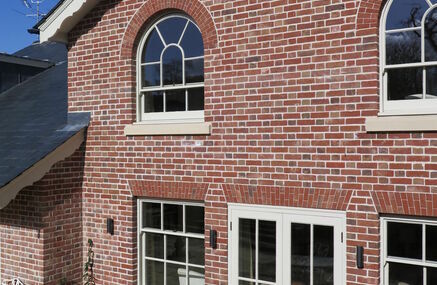
Lever handles, door knobs and pull handles each bring their own character, and keeping a consistent style helps unify your interior. A home featuring traditional knobs on internal doors may benefit from a complementary lever on the entrance door to improve accessibility while preserving the aesthetic. Patio and sliding doors often require specialist hardware, but you can still choose shapes that echo the look of your main internal furniture. Paying attention to profiles, backplate styles and proportions creates a subtle connection between spaces. Even where different mechanisms are needed, visual coordination helps maintain an elegant flow from room to room.
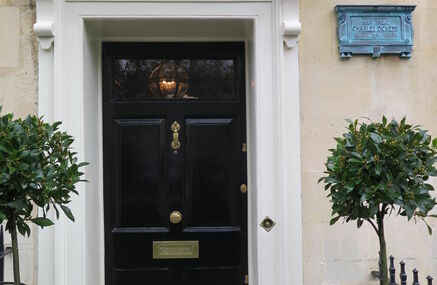
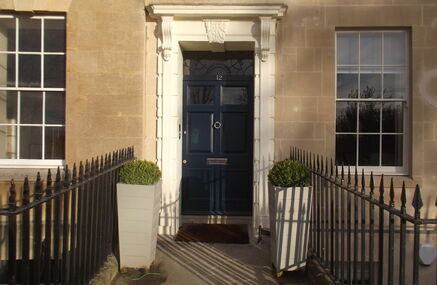
Front door accessories such as knockers, letter plates and door numbers play a major role in kerb appeal. These elements should complement your chosen exterior handle or knob to form a complete set. For example, a polished brass handle pairs naturally with a brass letter plate and matching numeral style. If your home has a period character, choosing accessories that reflect the era helps achieve an authentic and congruent finish. Modern properties may favour minimal lines, concealed fixings and simpler plates. A coordinated entrance not only looks refined but also creates a strong first impression for visitors.
Matching hardware is not only about the doors themselves but how they guide movement throughout the home. When finishes and styles vary dramatically, transitions can feel jarring or disjointed. Keeping to a consistent hardware family ensures each room flows naturally into the next. If you choose to introduce secondary finishes, such as a darker tone for bathroom fittings or brushed metal in a utility area, do so sparingly and with intention. TBKS provides multiple coordinated ranges, making it easy to maintain continuity even when mixing functional requirements.
While appearance is important, door hardware must also perform reliably. External doors demand security-rated locks, durable finishes and robust mechanisms. Internal doors may require privacy functions, soft-close hinges or compatibility with fire-rated sets. The key is to choose products that meet these technical requirements while still contributing to your overall design scheme. High quality architectural ironmongery, such as that supplied by TBKS, offers both performance and aesthetic consistency across ranges. This allows homeowners, designers and architects to achieve a stylish, unified look without compromising safety or longevity.
Matching door hardware across your home does not mean limiting your creativity. The goal is to build a consistent foundation that supports your preferred aesthetic while remaining adaptable as decor evolves. Choosing classic profiles and versatile finishes gives you the freedom to refresh paint colours, soft furnishings or flooring without creating clashes. A well-coordinated hardware scheme also makes future refurbishment easier, as new pieces can be sourced to match or complement the established style. TBKS stocks ranges designed to remain relevant for many years, helping homeowners achieve a scheme that feels both personal and enduring.